





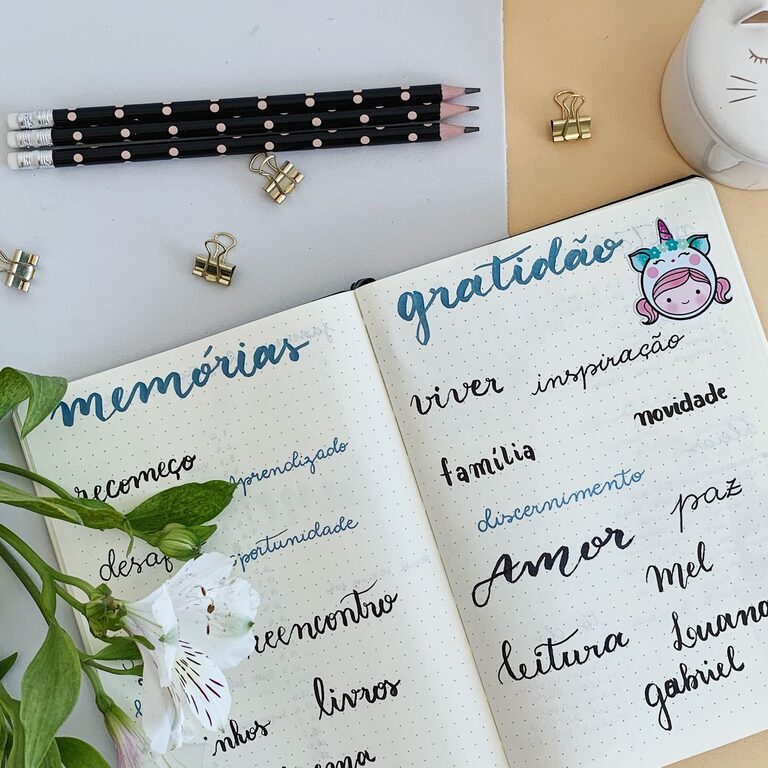
Gratitude journals have become a popular tool for improving mental well-being and increasing happiness. Taking a few moments daily to reflect on the positive aspects of your life can help shift your focus away from stress and negativity. If you’re wondering how to start a gratitude journal, this guide will walk you through everything you need to know to get started and maintain a rewarding practice.
What Is a Gratitude Journal?
A gratitude journal is a personal diary where you regularly write down things you are thankful for. This practice encourages mindfulness and appreciation for simple joys, relationships, and life’s everyday moments. Unlike a regular journal that may include daily events or thoughts, a gratitude journal focuses specifically on recognizing and recording positive experiences.
Benefits of Keeping a Gratitude Journal
Before diving into how to start your own, it’s helpful to know why journaling gratitude can be so beneficial:
– Improved mood: Reflecting on positive experiences can boost your overall happiness and reduce feelings of anxiety.
– Better sleep: People who practice gratitude often sleep better due to a calmer and more positive mindset before bed.
– Stronger relationships: Noticing and appreciating others can enhance your social connections and empathy.
– Increased resilience: Gratitude helps build mental strength to better cope with challenges.
– Greater mindfulness: Writing regularly encourages you to live in the present moment.
How to Choose Your Journal
You don’t need anything fancy to start a gratitude journal. Here are some options:
– Traditional notebook: A simple lined or blank notebook works well and can be personalized.
– Digital journal: Use apps or a notes program on your phone or computer for convenience.
– Pre-made gratitude journals: These often include prompts and quotes to guide you.
– Bullet journal: If you already keep a bullet journal, dedicate a section to gratitude.
Choose the format that feels the easiest and most enjoyable for you, as this increases the likelihood you’ll keep it up.
Getting Started: Basic Steps
Step 1: Set a Daily Time
Pick a consistent time for journaling to help establish a habit. Many prefer:
– Morning: Start your day with a positive mindset.
– Evening: Reflect and unwind before bedtime.
Even five minutes a day is enough to make a difference.
Step 2: Create a Comfortable Space
Find a quiet spot with minimal distractions. Gather your journal and a pen or open your digital journal. Make it a relaxing ritual—consider adding soft lighting, a cup of tea, or calming music.
Step 3: Start Writing
You don’t need to write lengthy entries. Focus on listing 3 to 5 things you feel grateful for each day. These can be big or small, such as:
– A kind word from a friend
– Your favorite meal
– A beautiful sunset
– Personal achievements
– Acts of kindness you witnessed
Step 4: Be Specific
Instead of vague phrases like “I’m thankful for my family,” try more detailed reflections, such as:
– “I’m grateful my sister called me today to check in.”
– “I appreciate how the morning sunshine made me feel calm.”
This makes your practice more meaningful and helps you connect with the moment.
Step 5: Reflect on Why
Occasionally write why something made you feel grateful. This deeper reflection reinforces positive emotions and awareness.
Tips to Maintain Your Gratitude Journal Practice
Starting is often the hardest part. Here are some tips to keep your habit going:
– Be consistent but flexible: Try not to skip days, but if you do, don’t get discouraged.
– Use prompts: If you’re unsure what to write, prompts like “What made me smile today?” can help.
– Include photos or drawings: Visual elements can make journaling more fun and personal.
– Share with others: Sometimes sharing entries or gratitude lists with friends or family deepens the experience.
– Review past entries: Every few weeks, read back through your journal to remind yourself of positive moments.
Overcoming Common Challenges
Starting any new habit can come with obstacles. Here’s how to address some common issues:
– Busy schedule: Set a timer for just 5 minutes to make it manageable.
– Feeling stuck: Remember that even small or simple things count.
– Not seeing results: Gratitude benefits grow over time; be patient and persistent.
– Negative moods: Use journaling as a way to gently shift your perspective without forcing positivity.
Other Ways to Practice Gratitude
While journaling is powerful, you can also incorporate gratitude into your life through:
– Verbal expressions: Thank people around you regularly.
– Mindful moments: Pause during the day to notice small blessings.
– Gratitude letters: Write letters to people who have impacted your life positively.
– Acts of kindness: Pay gratitude forward with thoughtful gestures.
Final Thoughts
Starting a gratitude journal is a simple yet effective way to encourage a more positive outlook on life. It doesn’t require much time or special skills, just a little daily effort and openness. Whether you choose a notebook, app, or creative format, the key is to keep your practice consistent and meaningful. Over time, you may find yourself feeling more content, resilient, and connected to the good in your life.
Give it a try today—you might be surprised how much joy a few written words of thanks can bring.




More Stories